Signs of Bunny Love: How to Tell if Your Bunny Loves You
Bunnies are adorable and affectionate pets that can form strong bonds with their human companions. While bunnies may not express their love in the same way as dogs or cats, they have their unique ways of showing affection. In this article, we will explore the signs that indicate your bunny loves you, helping you understand and appreciate the bond you share with your furry friend.
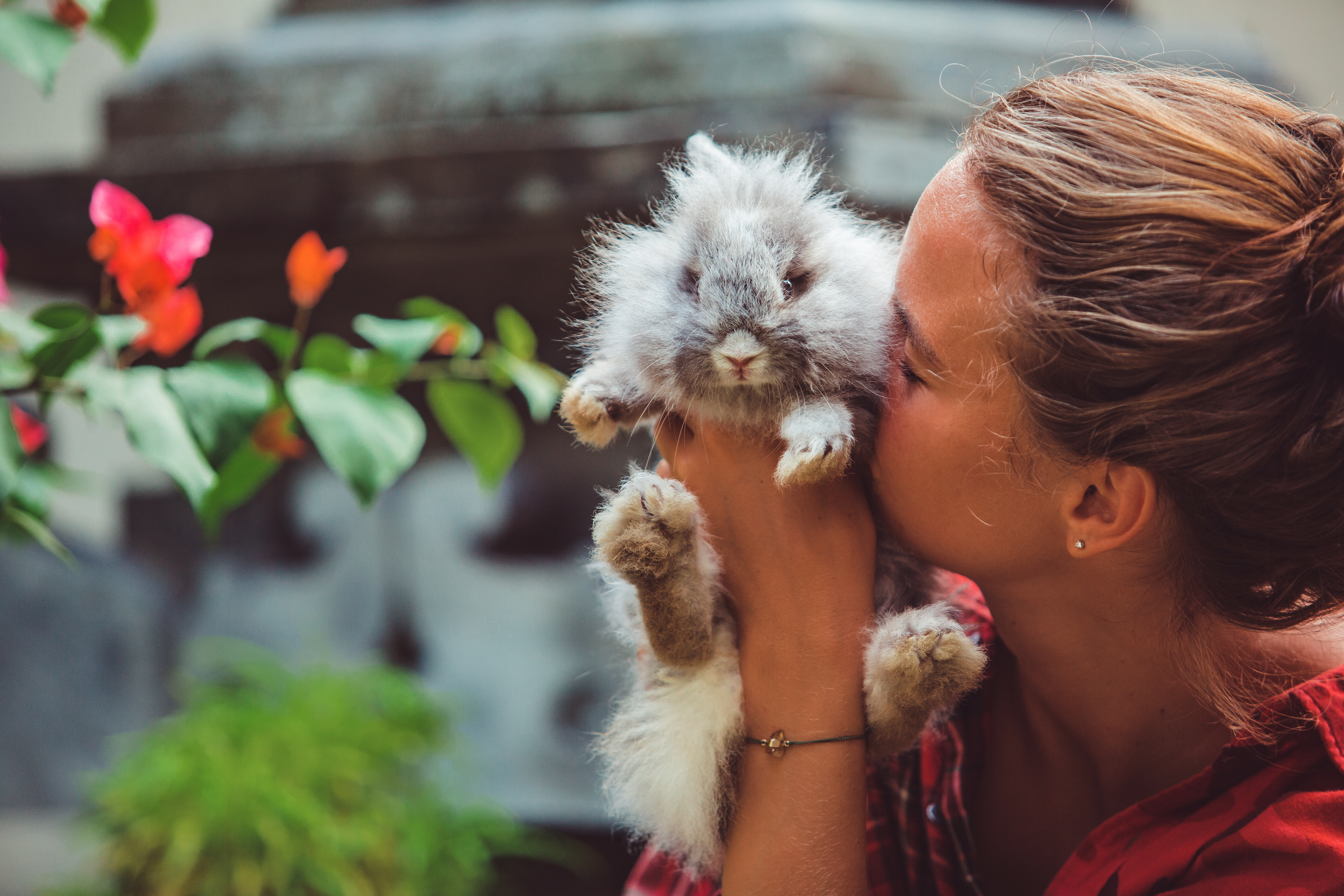
Nuzzling and Nudging: One of the most common ways bunnies show affection is through nuzzling and nudging. If your bunny approaches you and gently presses their head against you or nudges you with their nose, it is a clear sign of their fondness. This behavior demonstrates trust and a desire for physical contact.
Licking and Grooming: Bunnies are fastidious groomers, and if your bunny licks you, it is a sign of acceptance and love. Licking is a behavior reserved for individuals they feel comfortable with, so if your bunny grooms your hand, face, or hair, consider it a loving gesture.
Binkying and Zoomies: Binkying is a joyous and exuberant behavior exhibited by bunnies. It involves leaping into the air, twisting their bodies, and flicking their legs. When your bunny engages in binkies or zoomies (playful bursts of energy), it shows that they feel safe and happy in your presence. These playful antics are a way for bunnies to express their love and contentment.
Flopping and Relaxing: Bunnies are naturally cautious animals, so when they feel secure and comfortable, they will exhibit behaviors like flopping and relaxing. Flopping is when your bunny fully stretches out and lies on their side, often with their legs extended. This vulnerable posture signifies that your bunny feels safe and trusts you implicitly. Additionally, if your bunny comfortably lounges or relaxes in your presence, it is a sign that they enjoy your company and feel at ease with you.
Seeking Attention and Interaction: Bunnies are social animals that crave companionship. If your bunny seeks out your attention by coming near you, gently nudging you, or pawing at your leg, it is an indication that they enjoy your presence and want to interact with you. Responding positively and engaging in interactive play or petting sessions reinforces the bond between you and your bunny.
Happy Purring and Tooth Purring: Bunnies have their unique ways of expressing contentment. When your bunny is relaxed and content, they may emit a soft purring sound, which can be heard when you gently place your ear near their body. This happy purring indicates their comfort and satisfaction. Additionally, tooth purring is a low grinding sound that bunnies make when they are extremely relaxed, such as when they are being petted or cuddled. It is a sign that your bunny feels safe and loved in your presence.
While bunnies may not express their love in the same way as other pets, they have their unique and subtle ways of showing affection. By understanding and recognizing these signs, you can deepen your bond with your bunny and create a loving and nurturing environment for them. Remember, each bunny is unique, so pay attention to their individual behaviors and preferences to better understand their expressions of love. Cherish the special connection you share with your bunny, as their love and companionship can bring immense joy to your life.
Stay tuned for more pet care tips, heartwarming stories, and exciting updates from The Bushy Tail. Together, let’s create a world where our fur babies thrive!
As a responsible bunny owner, ensuring the health and well-being of your furry companion is a top priority. One crucial aspect of rabbit care is protecting them against Rabbit Hemorrhagic Disease Virus Type 2 (RHDV2). In this article, we will highlight the importance of vaccinating your bunny against RHDV2 and the significant benefits it provides.
Disclaimer: The information provided in this article is for general informational purposes only and does not constitute veterinary advice. Please consult with a qualified veterinarian for personalized guidance based on your bunny’s specific needs and circumstances.
Understanding RHDV2
RHDV2 is a highly contagious and often fatal viral disease that affects rabbits. It spreads rapidly and can cause severe damage to the liver and other organs, leading to internal bleeding and a high mortality rate. The virus can be transmitted through direct contact, contaminated objects, insects, and even through the fecal matter of infected rabbits.
Symptoms of RHDV2
Symptoms of RHDV2 may vary depending on the stage of the disease, the rabbit’s age, and overall health. Common symptoms include:
Sudden death without any prior signs of illness (particularly in adult rabbits).
Loss of appetite and decreased activity.
Fever and lethargy.
Respiratory distress (rapid or labored breathing).
Neurological signs such as convulsions or paralysis.
The Power of Vaccination
Vaccination is the most effective way to protect your bunny against RHDV2. Vaccines stimulate the rabbit’s immune system to recognize and fight off the virus, preventing severe illness or death. Vaccinating your bunny provides the following key benefits:
1.) Immunity: Vaccines help develop a strong immune response, enabling your bunny’s body to fight against RHDV2. This immunity is crucial in preventing the onset of the disease or reducing its severity if exposure occurs.
2.) Disease Prevention: Vaccinating your bunny significantly reduces the risk of contracting RHDV2. By creating a barrier of protection, vaccines safeguard your bunny’s health and well-being.
3.) Outbreak Control: Vaccinating your bunny plays a vital role in preventing and controlling RHDV2 outbreaks. By ensuring a high vaccination rate within the rabbit community, the spread of the virus can be limited, protecting not only your bunny but also other rabbits in your vicinity.
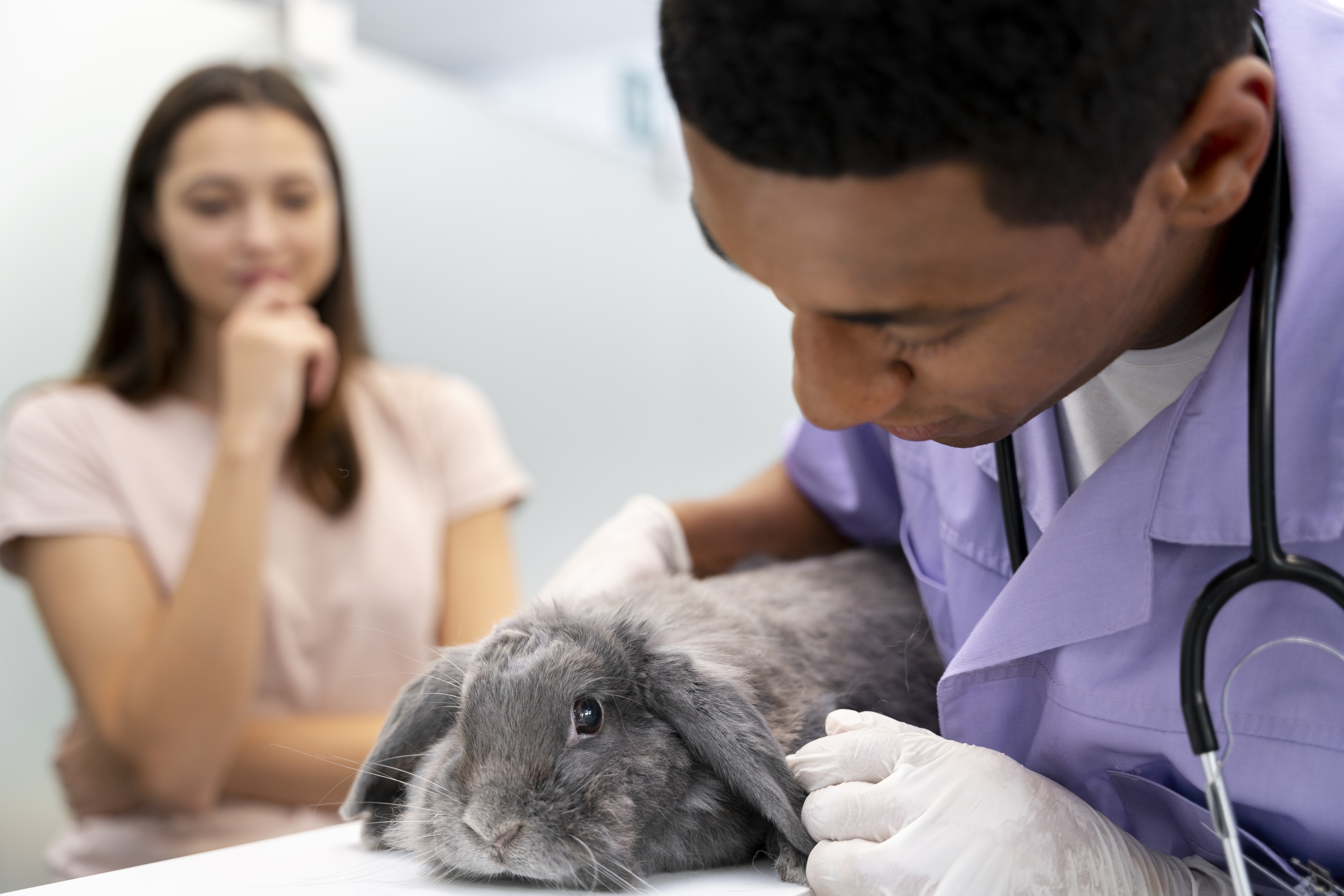
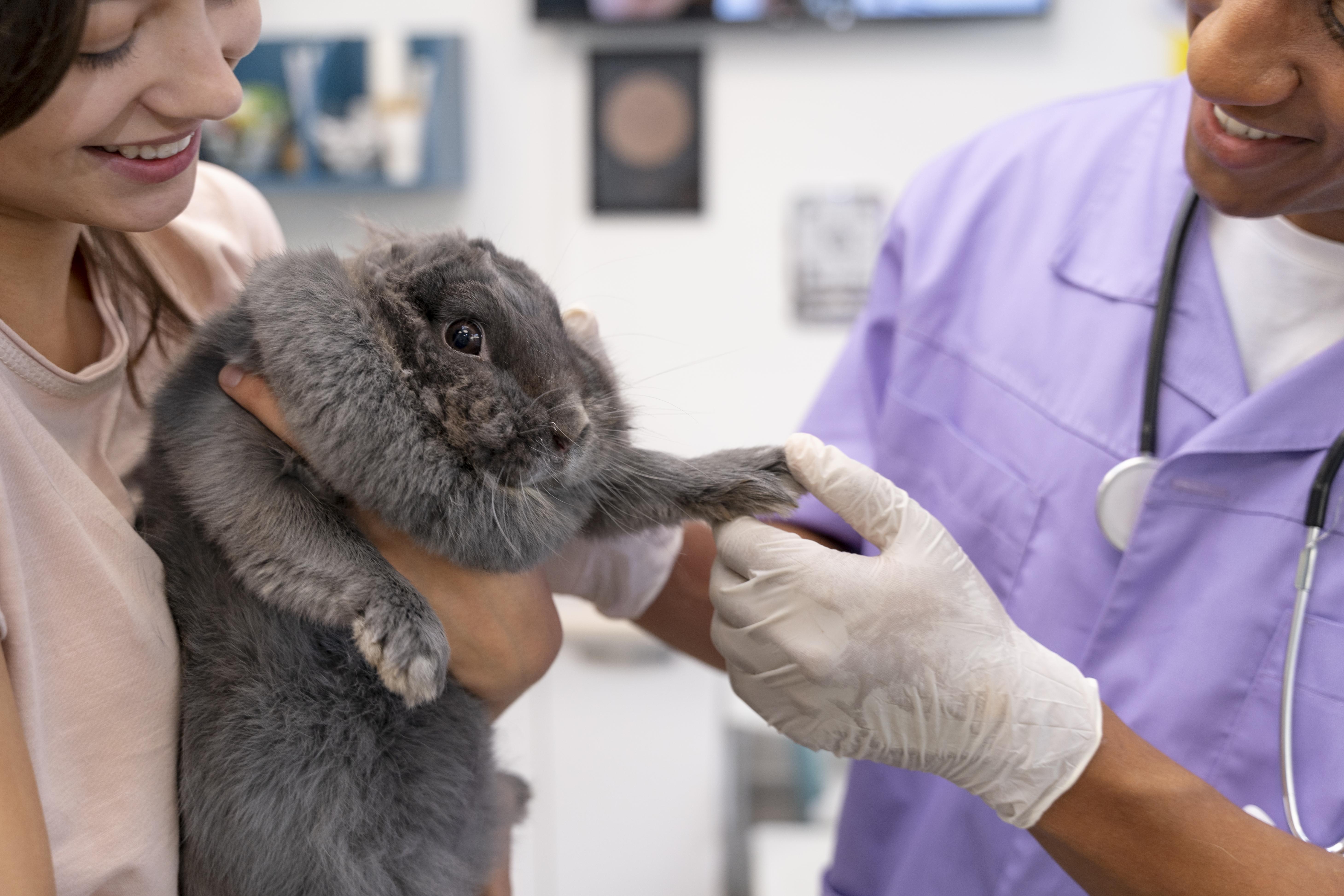
4.) Consult with a Veterinarian: Consulting with a knowledgeable and experienced veterinarian is crucial when it comes to vaccinating your bunny against RHDV2. They will provide expert advice on the appropriate vaccine protocol, timing, and any specific considerations based on your bunny’s age, health, and local disease prevalence.
5.) Regular Booster Shots: To maintain optimal protection, it is important to follow the recommended vaccination schedule and administer booster shots as advised by your veterinarian. Booster shots help reinforce your bunny’s immunity, ensuring long-term defense against RHDV2.
6.) Staying Informed: Stay updated on the latest information regarding RHDV2 and vaccination protocols. Keep in touch with your veterinarian, attend educational seminars or workshops, and follow reputable sources of information related to rabbit health and care. This knowledge empowers you to make informed decisions and take proactive steps to protect your bunny.
Vaccinating your bunny against RHDV2 is of paramount importance in ensuring their health and well-being. By providing immunity and preventing the onset of severe illness, vaccines offer a powerful defense against this highly contagious and potentially fatal virus. Consult with your veterinarian, follow recommended vaccination protocols, and stay informed about RHDV2 and its prevalence in your area. By taking these proactive measures, you can give your bunny the best chance at a healthy and happy life. Remember, prevention is always better than cure.
Stay tuned for more pet care tips, heartwarming stories, and exciting updates from The Bushy Tail. Together, let’s create a world where our fur babies thrive!
When it comes to feeding your beloved bunny, it’s important to provide a balanced and nutritious diet. While there are plenty of vegetables that are beneficial for rabbits, it’s equally crucial to be aware of the “Veggie Don’ts.” These are the vegetables that should be avoided or given sparingly due to potential health risks. In this article, we’ll explore the veggies that are not suitable for your bunny’s diet, helping you make informed choices to keep them happy and healthy.
Rabbits have a sensitive digestive system that is not well-suited to handle large amounts of sugar. High sugar vegetables should be given sparingly as occasional treats rather than regular components of their diet. While these veggies may be tempting for your bunny, it’s important to be mindful of their sugar content. Here are some examples:
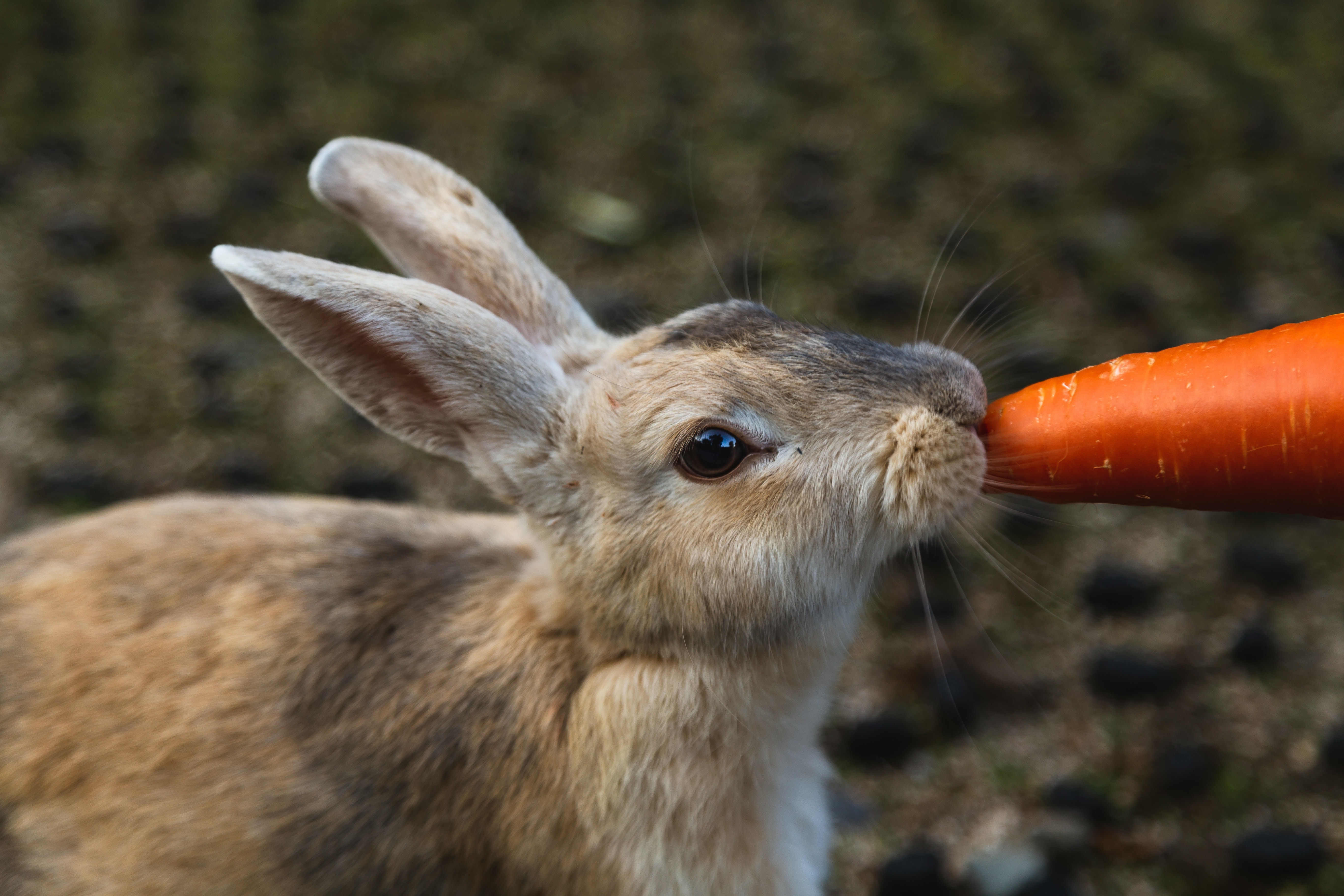
Carrots: Carrots are a favorite treat for many rabbits, but they contain a relatively high amount of sugar. While carrot tops are safe and nutritious, the orange carrot root should be given in moderation. Offering small, thin carrot slices or pieces as occasional rewards is a better option.
Sweet Potatoes: Sweet potatoes are known for their natural sweetness, but this makes them unsuitable for regular consumption by rabbits. The high sugar content can lead to weight gain, digestive problems, and an increased risk of dental issues. It’s best to limit sweet potatoes to small, infrequent portions.
Starchy vegetables contain higher levels of carbohydrates and may not be the best choice for your rabbit’s regular diet. While rabbits can tolerate small amounts of starch, excessive consumption of starchy vegetables can lead to digestive issues, weight gain, and other health problems. Here are some examples of starchy vegetables to be cautious about:
Potatoes: Potatoes, including both white and sweet potatoes, are high in starch and should be given sparingly. The high carbohydrate content can disrupt the delicate balance of your rabbit’s digestive system. It’s best to avoid feeding raw or cooked potatoes to your bunny.
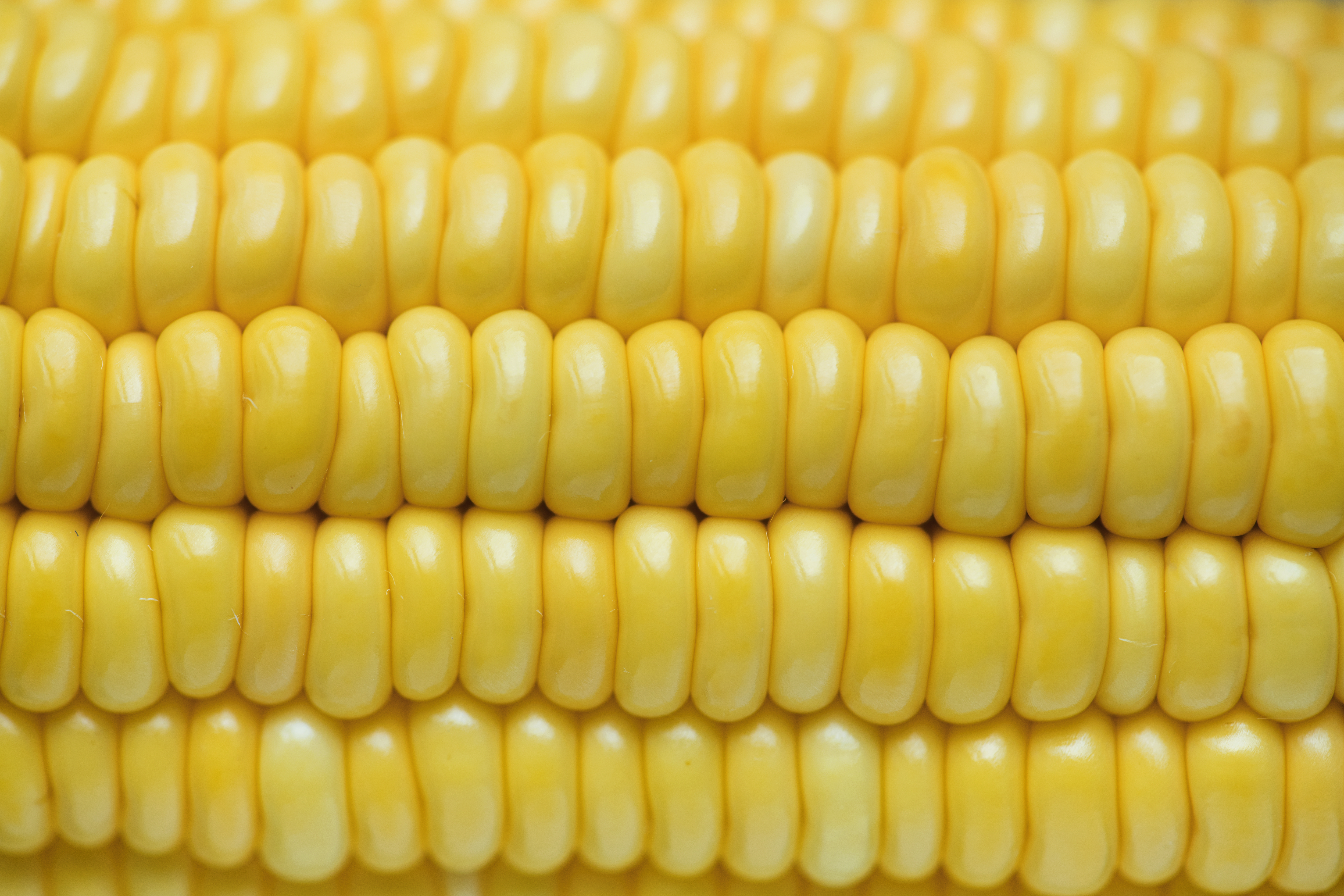
Corn: While corn may be a common ingredient in commercial rabbit pellets, feeding whole corn kernels or corn on the cob is not recommended. Corn is high in starch and low in essential nutrients for rabbits. It can also pose a choking hazard due to its hard texture.
Peas: Peas, including both green peas and snow peas, contain moderate amounts of starch. While they are not inherently harmful to rabbits, it’s important to offer them in small quantities as occasional treats rather than a regular part of their diet.
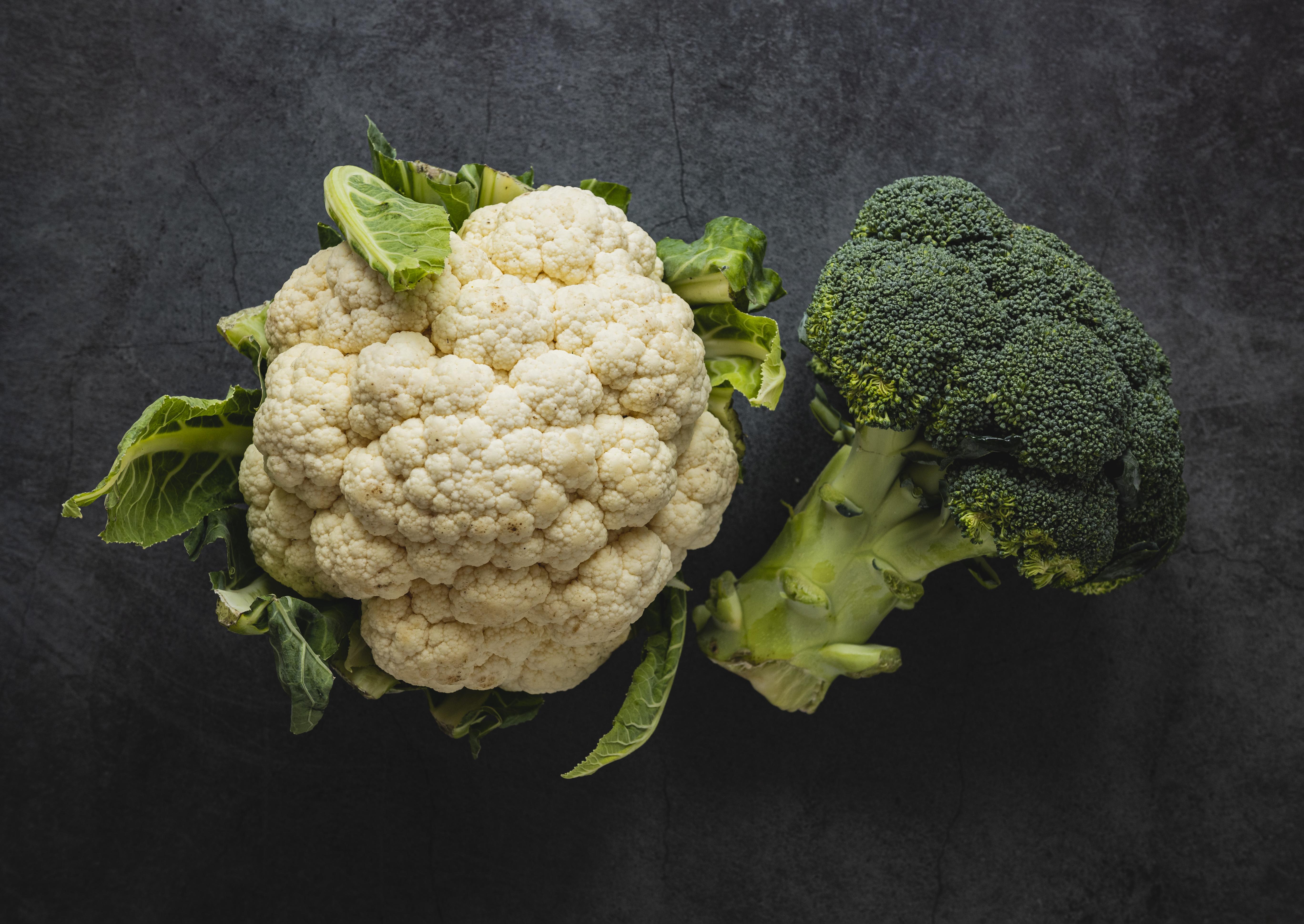
While cruciferous vegetables like broccoli florets and cauliflower can be included in your rabbit’s diet in moderation, it’s important to be cautious about offering them in excessive amounts. These vegetables belong to the Brassicaceae family and contain compounds called goitrogens.
Goitrogens interfere with the proper functioning of the thyroid gland and can potentially lead to goiter, a condition characterized by an enlarged thyroid. In rabbits, excessive consumption of goitrogenic foods can disrupt thyroid function and may cause thyroid-related health issues over time.
To mitigate the potential risks, it’s advisable to provide cruciferous vegetables as part of a varied diet rather than relying heavily on them. Offer small, chopped portions of broccoli florets or cauliflower alongside other safe vegetables and leafy greens to ensure a balanced intake.
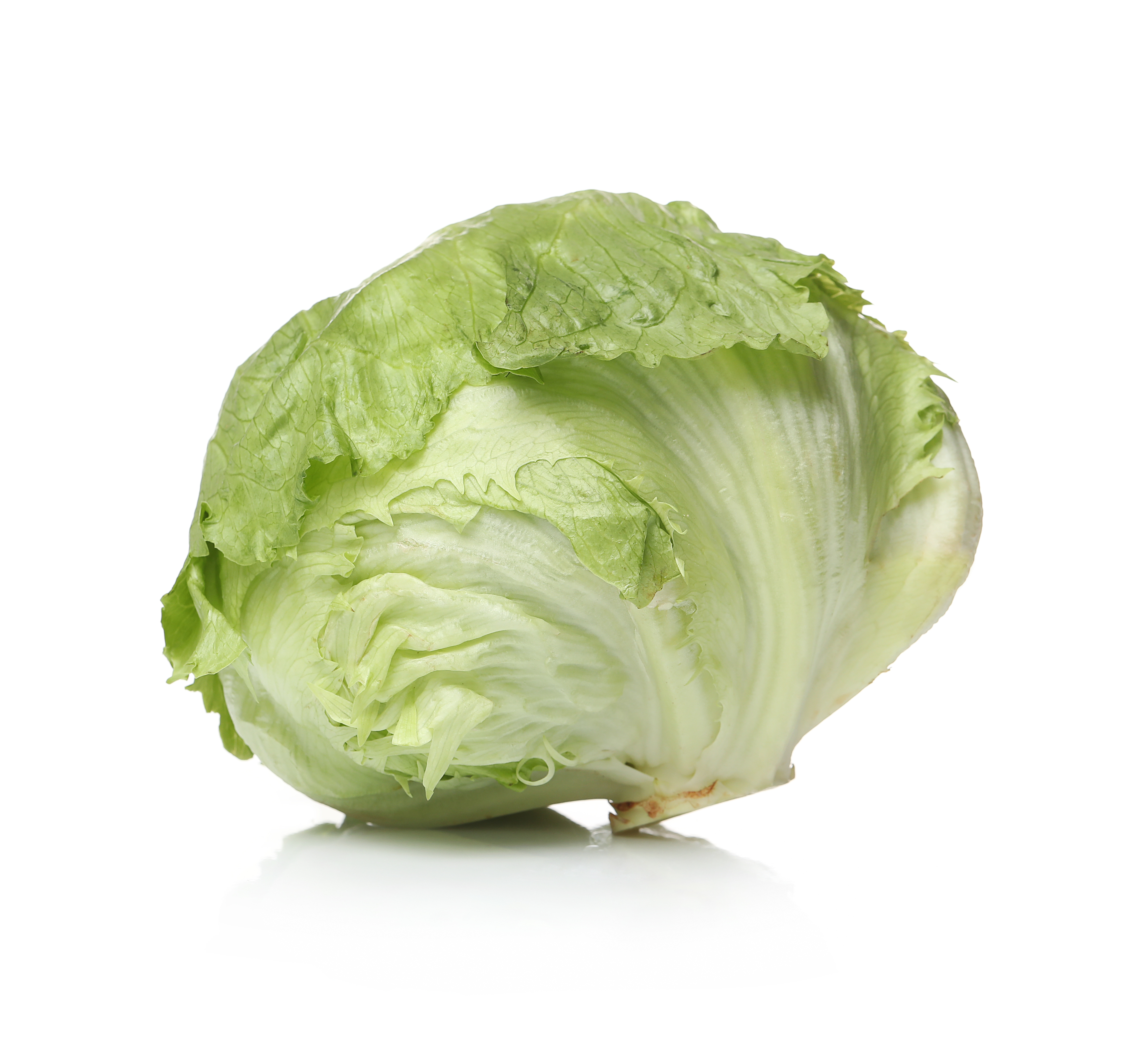
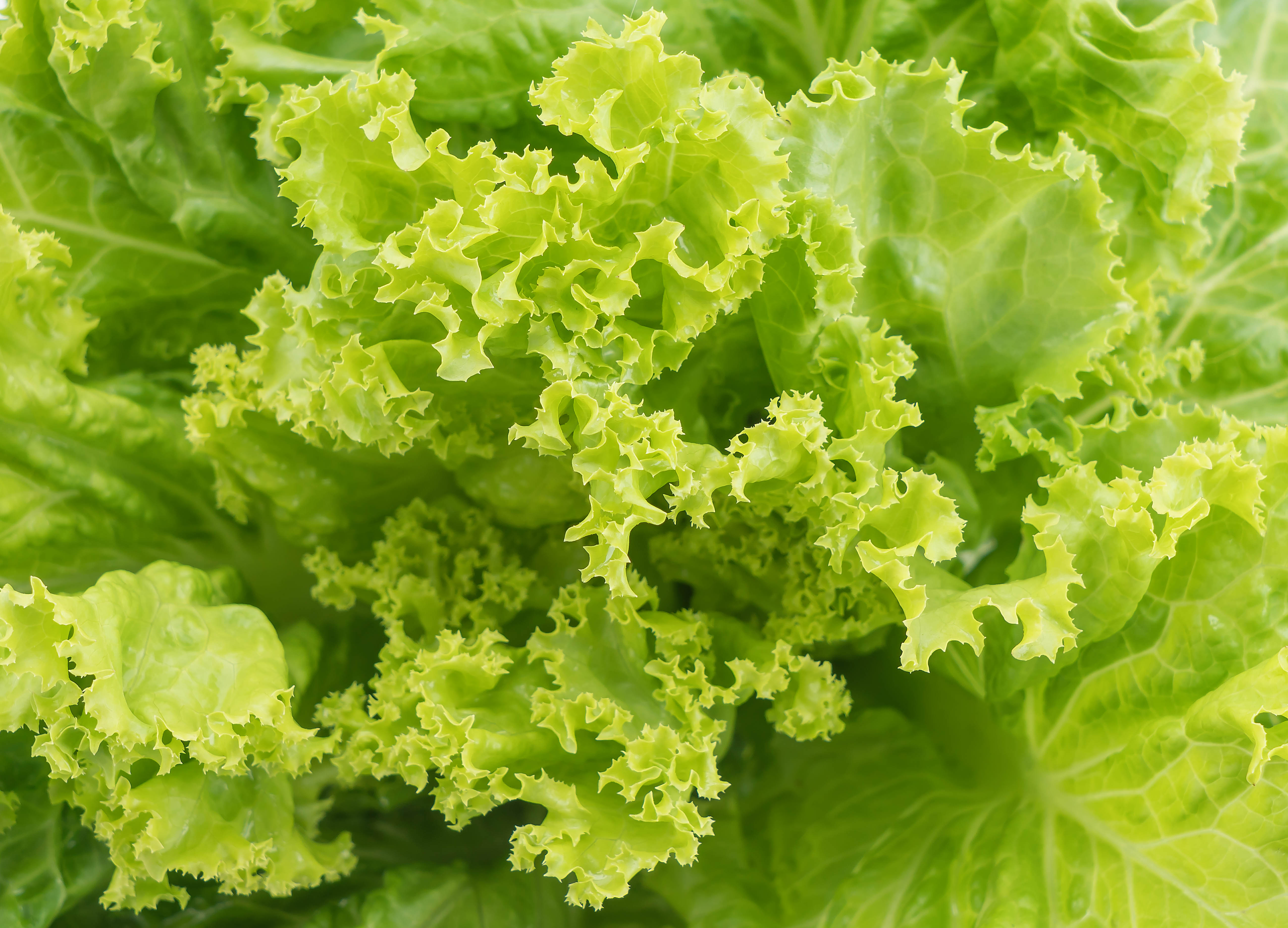
While lettuce is generally considered safe for rabbits, iceberg lettuce should be avoided or offered sparingly. Iceberg lettuce has a high water content but lacks significant nutritional value compared to other leafy greens. It contains low levels of fiber and essential vitamins, making it a less nutritious choice for your bunny.
One of the main concerns with iceberg lettuce is its relatively high water content. Consuming excessive amounts of water-rich vegetables like iceberg lettuce can lead to watery stools and digestive upset in rabbits. This can increase the risk of diarrhea and potential dehydration, especially if your rabbit’s diet consists primarily of watery vegetables.
Additionally, iceberg lettuce is low in fiber, which is essential for maintaining a healthy digestive system in rabbits. A lack of sufficient fiber can disrupt normal gut motility and increase the risk of gastrointestinal issues such as stasis or soft stools.
Instead of relying on iceberg lettuce, it’s recommended to offer a variety of other leafy greens with higher nutritional value. Examples of safe and nutrient-rich options include romaine lettuce, spinach, kale, and parsley. These greens provide essential vitamins, minerals, and fiber that contribute to your rabbit’s overall health.
It’s crucial to be aware of the plants that are toxic to rabbits and avoid offering them as part of their diet. Some common household plants and garden flowers can be harmful or even fatal to rabbits if ingested. Here are a few examples of toxic plants that should be kept away from your bunny:
Lily of the Valley: This plant contains cardiac glycosides, which can cause severe cardiac issues if ingested by rabbits. Symptoms may include drooling, vomiting, diarrhea, and in severe cases, heart arrhythmias.
Daffodils: The bulbs, flowers, and leaves of daffodils contain toxic alkaloids. Ingesting any part of the plant can cause gastrointestinal upset, drooling, abdominal pain, and even more severe symptoms like tremors or seizures.
Azaleas and Rhododendrons: These flowering shrubs contain grayanotoxins, which are highly toxic to rabbits. Ingestion can lead to symptoms such as drooling, vomiting, diarrhea, weakness, and even cardiovascular problems.
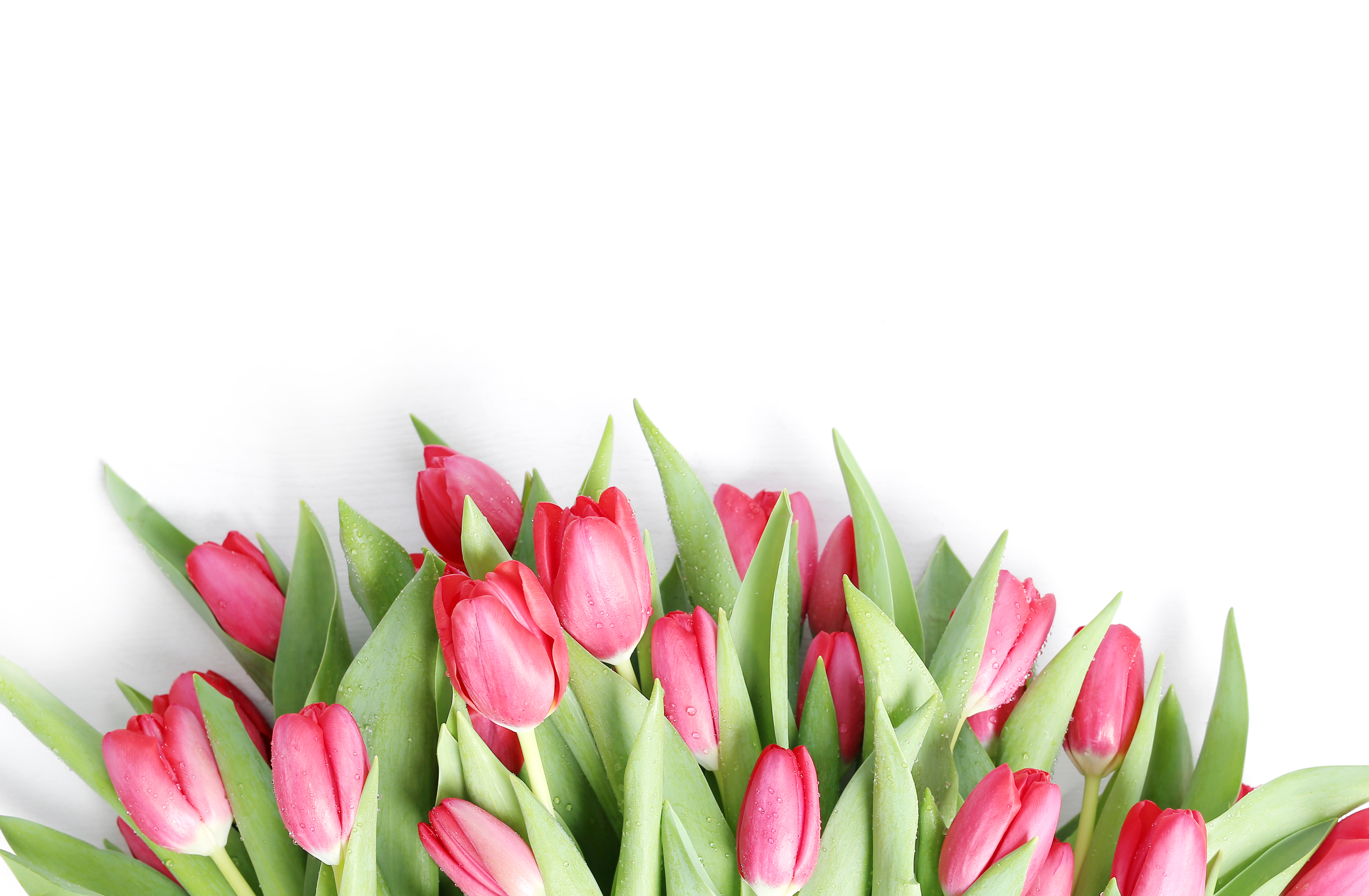
Tulips: All parts of the tulip plant, including the bulbs, contain toxins called tulipalin A and B. Ingesting tulips can cause gastrointestinal irritation, excessive drooling, and, in severe cases, difficulty breathing.
Dieffenbachia: This popular houseplant contains oxalate crystals, which can cause irritation and swelling of the mouth, throat, and digestive tract if chewed by rabbits. Symptoms may include drooling, difficulty swallowing, and oral discomfort.
It’s important to note that this is not an exhaustive list, and there are many other plants that can be harmful to rabbits. If you’re unsure about the safety of a particular plant, it’s best to research or consult a veterinarian before allowing your bunny access to it.
While it’s important to provide a varied and nutritious diet to your bunny, being aware of the “Veggie Don’ts” is crucial for their well-being. By avoiding high-sugar and starchy vegetables, limiting cruciferous veggies, staying away from toxic plants, and excluding iceberg lettuce from their diet, you can ensure that your bunny’s diet is safe and suitable for their delicate digestive system. Consult with a rabbit-savvy veterinarian for further guidance on creating a balanced diet for your furry friend.
Stay tuned for more pet care tips, heartwarming stories, and exciting updates from The Bushy Tail. Together, let’s create a world where our fur babies thrive!

 The Bushy Tail