As a responsible bunny owner, ensuring the health and well-being of your furry companion is a top priority. One crucial aspect of rabbit care is protecting them against Rabbit Hemorrhagic Disease Virus Type 2 (RHDV2). In this article, we will highlight the importance of vaccinating your bunny against RHDV2 and the significant benefits it provides.
Disclaimer: The information provided in this article is for general informational purposes only and does not constitute veterinary advice. Please consult with a qualified veterinarian for personalized guidance based on your bunny’s specific needs and circumstances.
Understanding RHDV2
RHDV2 is a highly contagious and often fatal viral disease that affects rabbits. It spreads rapidly and can cause severe damage to the liver and other organs, leading to internal bleeding and a high mortality rate. The virus can be transmitted through direct contact, contaminated objects, insects, and even through the fecal matter of infected rabbits.
Symptoms of RHDV2
Symptoms of RHDV2 may vary depending on the stage of the disease, the rabbit’s age, and overall health. Common symptoms include:
Sudden death without any prior signs of illness (particularly in adult rabbits).
Loss of appetite and decreased activity.
Fever and lethargy.
Respiratory distress (rapid or labored breathing).
Neurological signs such as convulsions or paralysis.
The Power of Vaccination
Vaccination is the most effective way to protect your bunny against RHDV2. Vaccines stimulate the rabbit’s immune system to recognize and fight off the virus, preventing severe illness or death. Vaccinating your bunny provides the following key benefits:
1.) Immunity: Vaccines help develop a strong immune response, enabling your bunny’s body to fight against RHDV2. This immunity is crucial in preventing the onset of the disease or reducing its severity if exposure occurs.
2.) Disease Prevention: Vaccinating your bunny significantly reduces the risk of contracting RHDV2. By creating a barrier of protection, vaccines safeguard your bunny’s health and well-being.
3.) Outbreak Control: Vaccinating your bunny plays a vital role in preventing and controlling RHDV2 outbreaks. By ensuring a high vaccination rate within the rabbit community, the spread of the virus can be limited, protecting not only your bunny but also other rabbits in your vicinity.
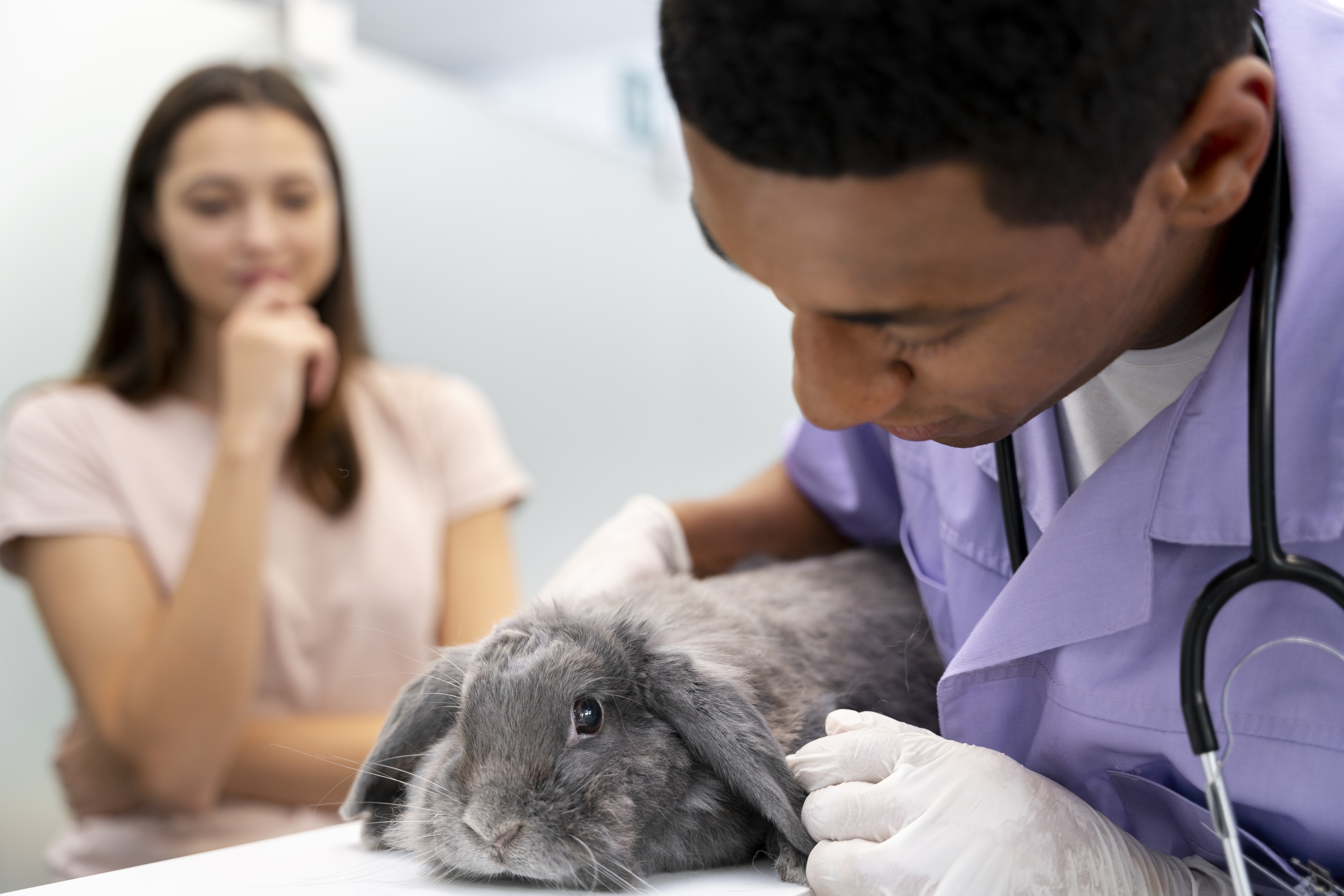
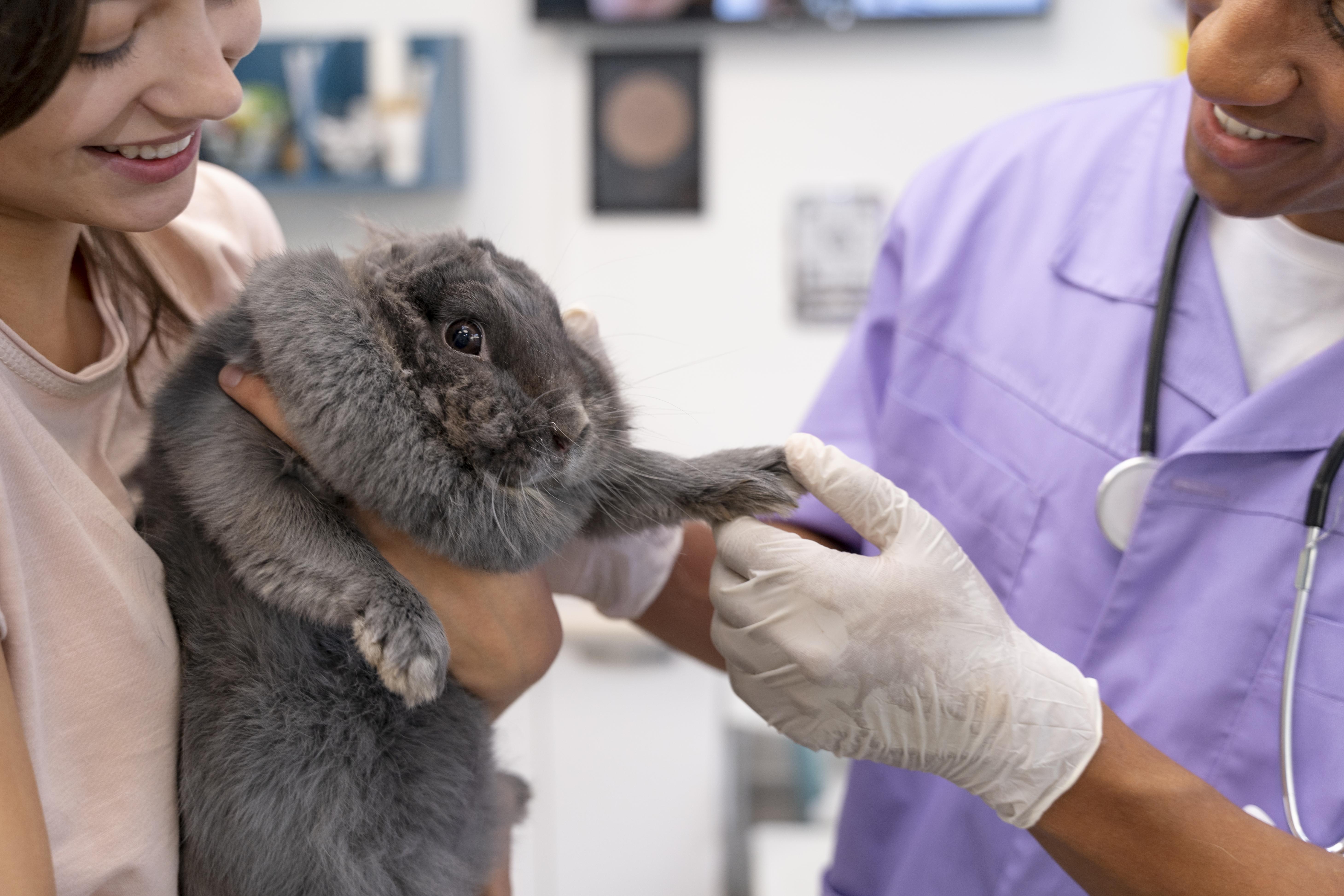
4.) Consult with a Veterinarian: Consulting with a knowledgeable and experienced veterinarian is crucial when it comes to vaccinating your bunny against RHDV2. They will provide expert advice on the appropriate vaccine protocol, timing, and any specific considerations based on your bunny’s age, health, and local disease prevalence.
5.) Regular Booster Shots: To maintain optimal protection, it is important to follow the recommended vaccination schedule and administer booster shots as advised by your veterinarian. Booster shots help reinforce your bunny’s immunity, ensuring long-term defense against RHDV2.
6.) Staying Informed: Stay updated on the latest information regarding RHDV2 and vaccination protocols. Keep in touch with your veterinarian, attend educational seminars or workshops, and follow reputable sources of information related to rabbit health and care. This knowledge empowers you to make informed decisions and take proactive steps to protect your bunny.
Vaccinating your bunny against RHDV2 is of paramount importance in ensuring their health and well-being. By providing immunity and preventing the onset of severe illness, vaccines offer a powerful defense against this highly contagious and potentially fatal virus. Consult with your veterinarian, follow recommended vaccination protocols, and stay informed about RHDV2 and its prevalence in your area. By taking these proactive measures, you can give your bunny the best chance at a healthy and happy life. Remember, prevention is always better than cure.
Stay tuned for more pet care tips, heartwarming stories, and exciting updates from The Bushy Tail. Together, let’s create a world where our fur babies thrive!
As the temperatures rise, it’s important to take extra care of your bunny to ensure they stay cool, comfortable, and happy. Heat can be stressful for rabbits, so here are some helpful tips to create a refreshing oasis for your furry friend!
Note: This blog post contains affiliate links. This means that if you make a purchase through these links, I may earn a small commission at no additional cost to you.
1) Provide Ample Fresh Water
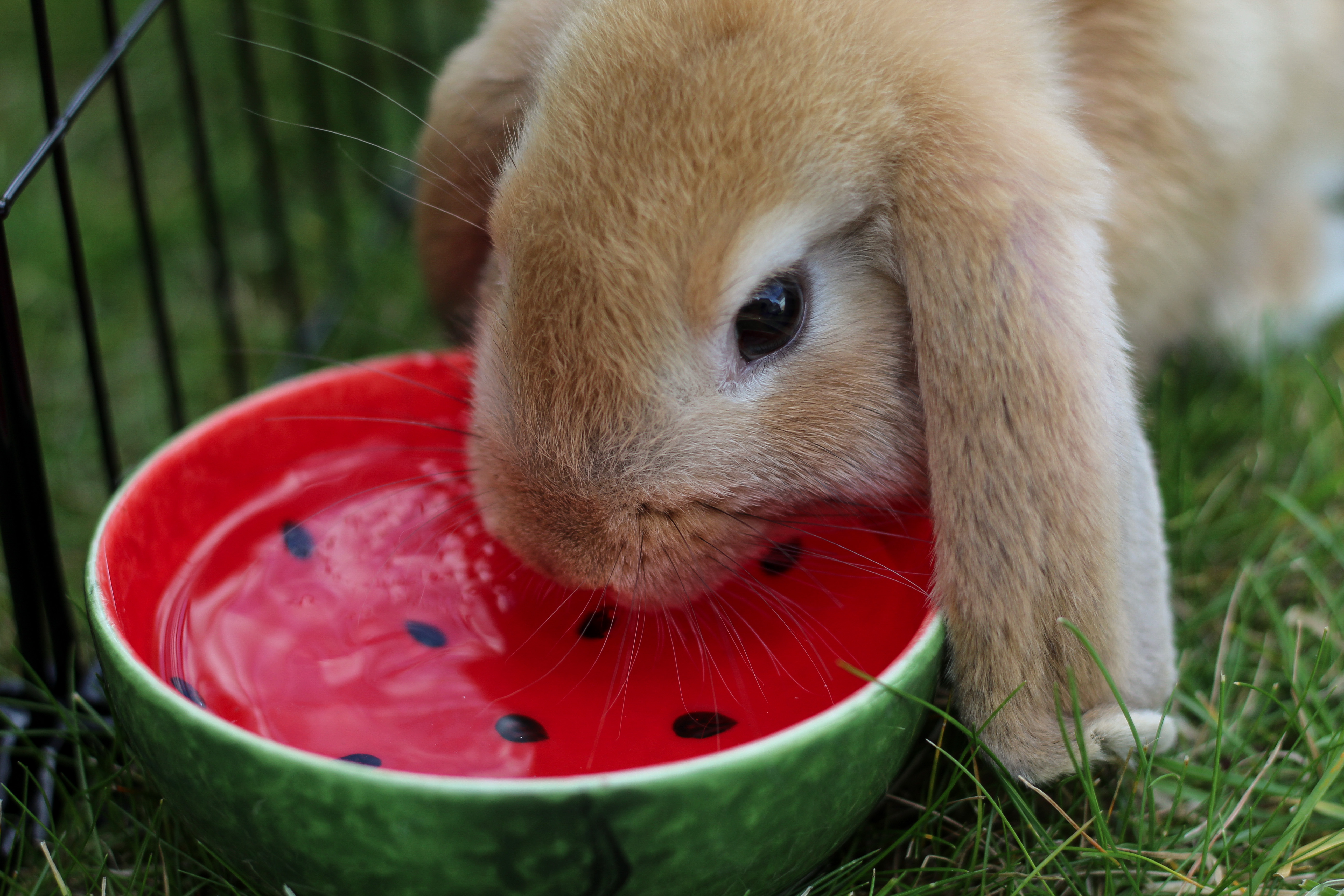
Hydration is crucial. Make sure your bunny always has access to fresh, cool water. Consider using a large, sturdy water bottle or a heavy ceramic bowl that won’t easily tip over.
2) Keep Them Indoors
Whenever possible, bring your bunny indoors during the hottest parts of the day. Indoor environments allow you to control the temperature and provide a comfortable living space for your bunny.
3) Create Shade and Ventilation
If your bunny spends time outdoors, it’s essential to provide shaded areas in their play area or hutch. Utilize natural shade from trees or use umbrellas, tarps, or shade cloths to shield them from direct sunlight. Ensure proper ventilation to allow for a steady flow of fresh air.
4) Cooling Mats and Tiles
Help your bunny beat the heat by providing cooling mats or ceramic tiles in their enclosure. These surfaces provide a cool spot for them to rest on and help regulate their body temperature.
Spoil your bunny with refreshing frozen treats! Offer small portions of frozen fruits and vegetables, such as cucumber or watermelon, to help cool them down and provide additional hydration.
For extra cuteness, I like to blend frozen fruit with water then pour them into these adorable ice cube trays: https://amzn.to/3JGpZcj
6)Grooming:
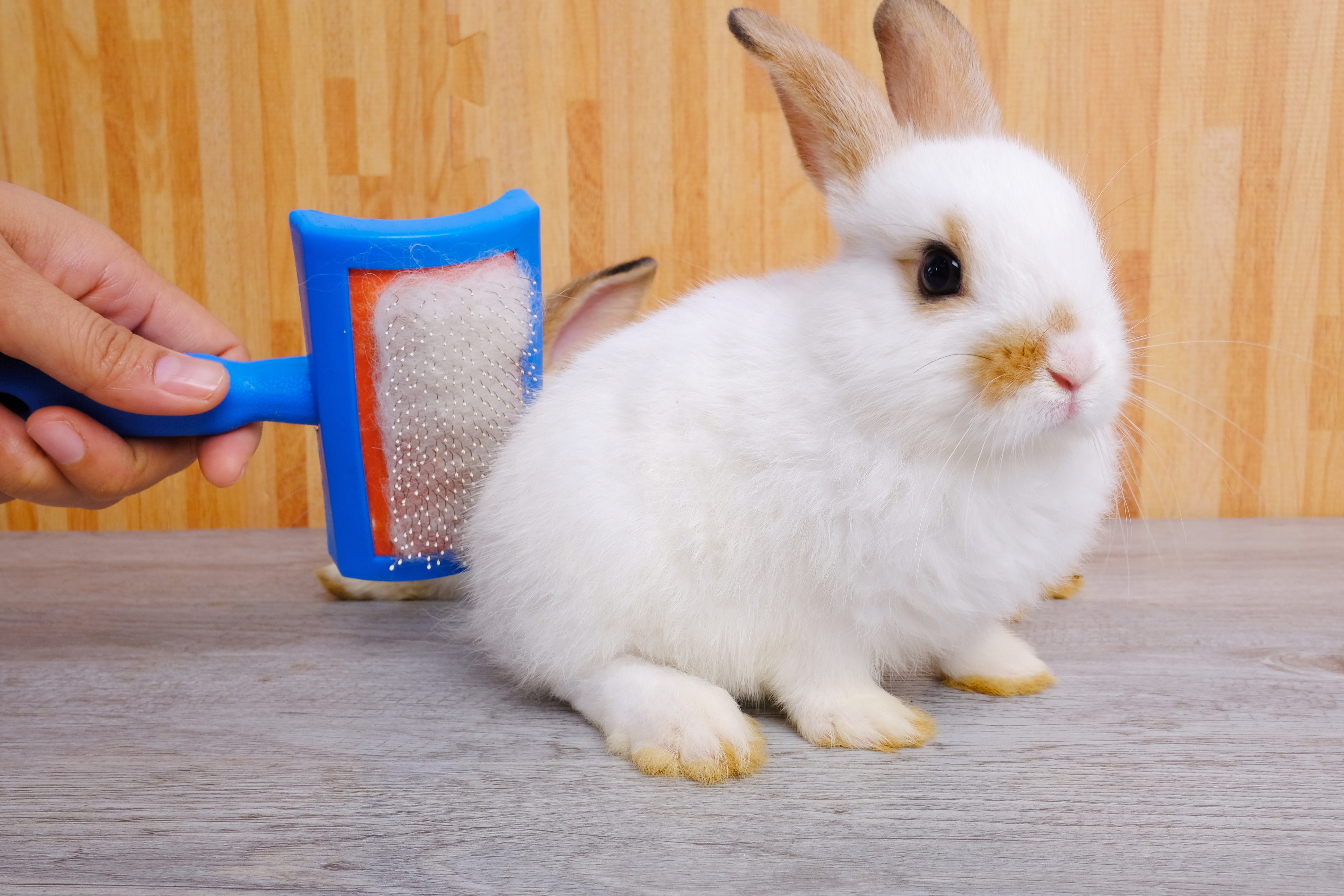
Regular grooming is crucial during the summer months. Brush your bunny’s coat to remove loose fur and prevent matting, which can hinder airflow and cause discomfort. Be careful not to remove too much fur, as their coat helps regulate their body temperature.
This bunny brush is one of my personal favorites, looks like a lot of people agree with me: https://amzn.to/3PDy3i2
Remember, your bunny’s well-being is of utmost importance. By following these tips, you’ll help ensure that your bunny stays cool, comfortable, and happy throughout the summer season. Enjoy the warm weather together, and don’t forget to give them plenty of love and attention! 🌞❤️🐰
Stay tuned for more pet care tips, heartwarming stories, and exciting updates from The Bushy Tail. Together, let’s create a world where our fur babies thrive!
Transform Your Home into a Cozy Haven for Your Fur Babies
At The Bushy Tail, we believe in providing a nurturing and comfortable environment for our bunny companions. In this blog post, we will guide you on how to create a pet-friendly space in your home that is tailor-made for your adorable bunnies. By following these tips, you can transform your living area into a cozy haven where your furry friends can thrive and be truly happy.
One of our bunny condos at The Bushy Tail.
Designing the Perfect Bunny Habitat
When it comes to creating the perfect bunny habitat, size matters. Choose a spacious and well-ventilated enclosure that allows your bunny to hop and explore freely. A general guideline for enclosure size is at least four times the length of your bunny when they’re fully stretched out. The more room they have to roam, the happier and healthier they will be.
In addition to space, provide plenty of cozy bedding materials such as soft blankets or a cozy bed! Bunnies love to snuggle and burrow, so these comfortable materials will make them feel right at home.
To make their habitat even more engaging, incorporate hiding spots, tunnels, and platforms. Bunnies have a natural instinct to burrow and seek shelter, so these additions will mimic their natural behaviors and offer them a sense of security. You can use specially designed tunnels or repurpose household items like cardboard tubes or boxes for them to explore or lounge in. Introducing toys they can throw and chew, such as small balls or chewable blocks, will also provide enrichment and mental stimulation.
Remember, bunnies are intelligent and active animals, so it’s important to offer plenty of enrichment activities. Regularly rotate their toys and provide new challenges to keep them engaged. You can create obstacle courses using tunnels, ramps, and low platforms to encourage exercise and play. Providing a variety of textures and materials for them to explore and chew on, such as wooden blocks or willow balls, will also help to satisfy their natural instincts and keep them entertained.
By considering the size of the enclosure, providing cozy bedding, and incorporating enrichment activities, you can design a bunny habitat that promotes their physical and mental well-being. Creating a stimulating and comfortable environment will contribute to the overall happiness of your bunny companion.
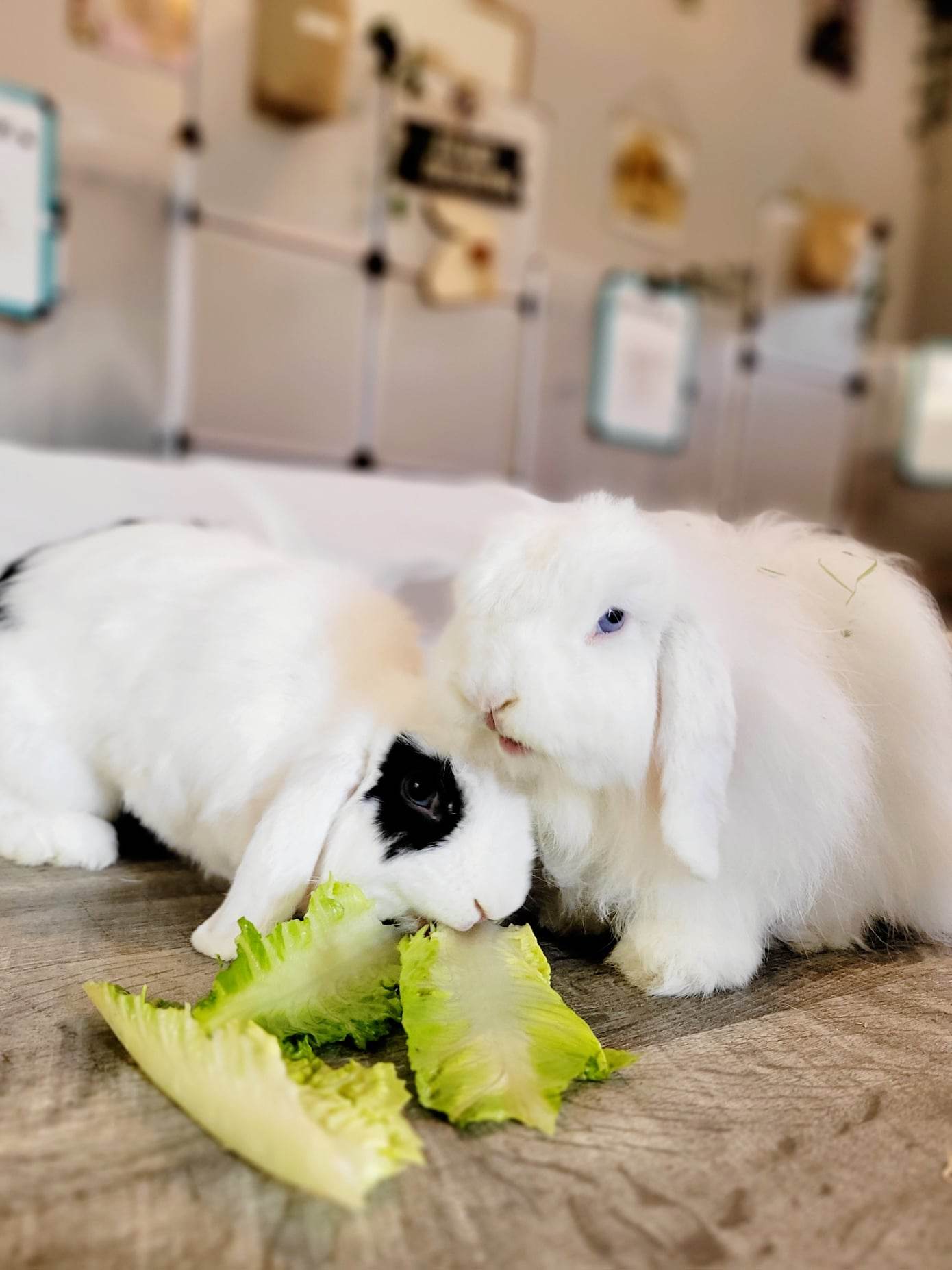
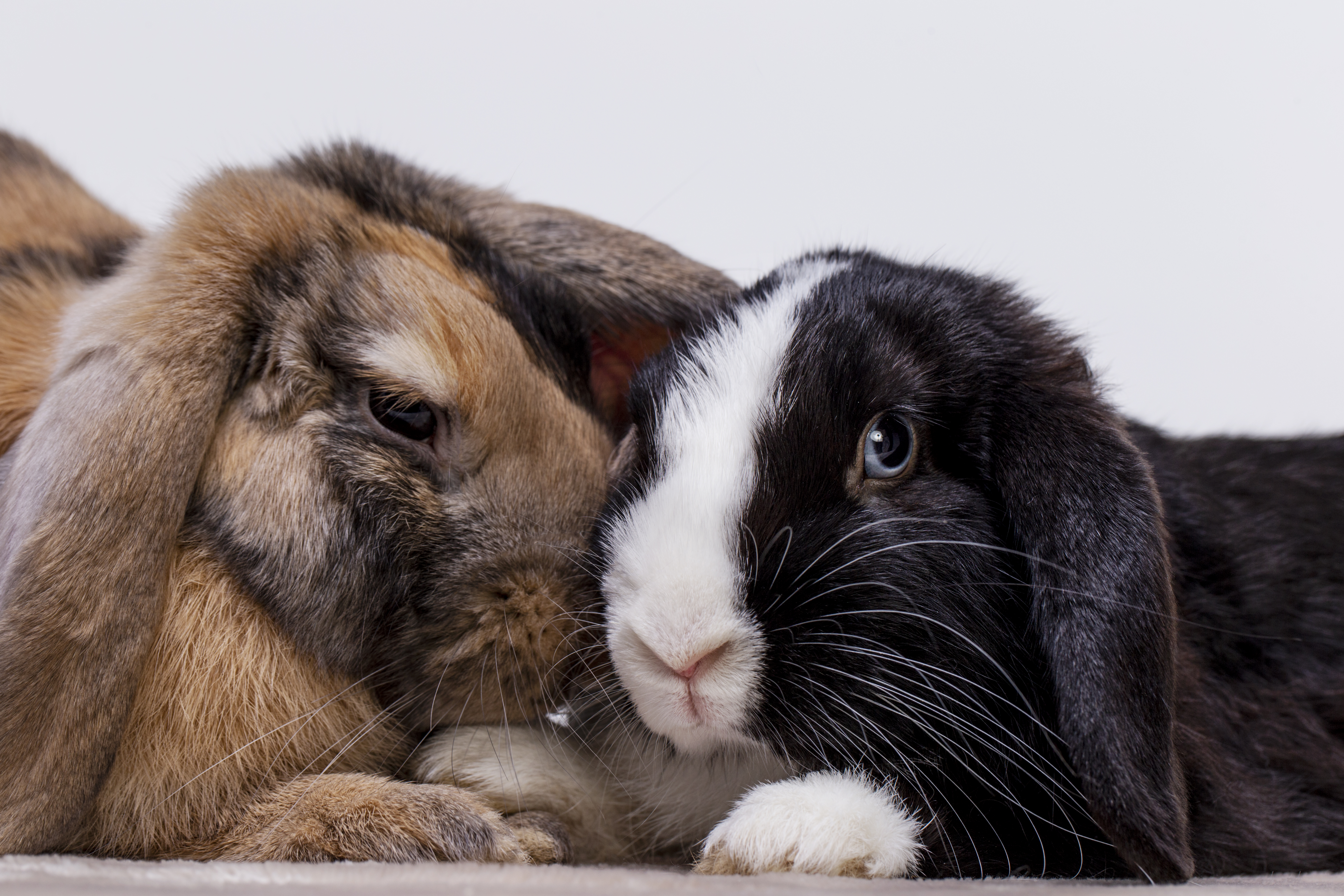
A couple of cute guests at The Bushy Tail!
Bunny-Proofing Your Home
When preparing your home for your bunny, it’s important to take some precautions to ensure their safety and protect your belongings.
Safeguard your electrical cords: Bunnies have a natural instinct to chew, and electrical cords can be enticing targets. Covering the cords with protective tubing or securing them out of your bunny’s reach using cord covers can help prevent accidents and keep your bunny safe.
Protect your furniture and belongings: Bunnies love to explore and may be tempted to nibble on your furniture or personal items. Using pet-safe sprays with bitter tastes or covering furniture with blankets or furniture protectors can discourage chewing and protect your belongings.
Ensure safe houseplants: Some houseplants can be toxic to bunnies if ingested. Research the plants you have in your home and make sure they are safe for your furry friend. Remove any toxic plants from their reach or consider placing them in areas inaccessible to your bunny. Opt for pet-friendly plants, such as spider plants or Boston ferns, which can add a touch of greenery to your bunny’s space without posing a threat to their health.
By taking these bunny-proofing measures, you can create a safe environment for your bunny to explore and minimize potential hazards in your home.
Bunnies are active and curious animals that benefit greatly from regular play and exercise. Here are some tips to encourage their physical and mental stimulation:
Create a designated play area: Set up a dedicated space in your home where your bunnies can engage in play and exercise. Fill the area with tunnels, cardboard boxes, and objects for them to climb on, such as small ramps or platforms. This will provide opportunities for them to explore, hop, and express their natural behaviors.
Offer mentally stimulating toys: Bunnies enjoy toys that challenge their minds. Introduce puzzle feeders or treat balls that require them to figure out how to retrieve their treats. This not only keeps them entertained but also engages their problem-solving skills. You can also provide chew toys made from safe materials like willow or untreated wood, which help satisfy their natural instinct to chew.
Set aside regular playtime: Establish a routine for spending quality playtime with your bunny. Engage in gentle activities like interactive games or supervised exploration sessions where you can guide them through obstacle courses or encourage them to investigate new toys or hiding spots. This one-on-one interaction strengthens the bond between you and your bunny while providing valuable exercise.
Remember, each bunny has its own personality and preferences, so observe and adapt to what your bunny enjoys most during playtime. Some may enjoy tossing and chasing toys, while others may prefer to explore tunnels and burrow into cozy hideouts. Pay attention to their cues and provide a variety of activities to keep them mentally and physically stimulated.
A healthy diet is crucial for the overall well-being of your bunny. Follow these guidelines to ensure they receive the right nutrition:
Fresh Hay: Hay is an essential part of a bunny’s diet as it aids in digestion and keeps their teeth properly worn down. Provide fresh, high-quality hay such as Timothy hay or orchard grass. Offer a generous amount daily to encourage foraging behavior and keep their digestive system healthy.
High-Quality Pellets: Choose high-quality, rabbit-specific pellets that are rich in fiber and low in fillers. Pellets should make up a smaller portion of your bunny’s diet compared to hay. Follow the recommended portion sizes based on your bunny’s weight and age. Remember to store pellets in a cool, dry place to maintain freshness.
Fresh Vegetables: Offer a variety of fresh, bunny-safe vegetables to provide additional nutrients and add variety to their diet. Examples include leafy greens like kale, spinach, and romaine lettuce, as well as herbs like cilantro and parsley. Introduce new vegetables gradually and observe your bunny’s response to ensure they tolerate them well.
Fresh Water: Ensure fresh, clean water is available to your bunny at all times. You can provide it through a water bottle attached to the enclosure or a heavy ceramic bowl that is difficult to tip over. Change the water regularly to keep it fresh and prevent contamination.
Avoid Harmful Foods: Some human foods can be toxic to bunnies and should be strictly avoided. These include chocolate, caffeine, sugary treats, onions, garlic, and avocado. Additionally, be cautious with introducing new foods and treats, as some bunnies may have sensitivities or allergies to certain ingredients. Consult with a veterinarian if you have any concerns about specific foods.
By providing a balanced diet of fresh hay, pellets, and vegetables, and ensuring a constant supply of fresh water, you are supporting your bunny’s health and well-being through proper nutrition.
Bunnies thrive in a calm and peaceful environment. Consider the following tips to create a soothing atmosphere for your furry friend:
Minimize Loud Noises and Sudden Movements: Bunnies are sensitive creatures, so it’s important to minimize loud noises and sudden movements that may startle or stress them. Avoid placing their enclosure near sources of loud sounds, such as speakers or appliances. Additionally, remind family members and visitors to move gently and speak softly around your bunny.
Provide a Quiet Retreat: Bunnies need a quiet space where they can retreat and feel secure when they need some downtime. Set up a cozy area in their enclosure with comfortable bedding and a hiding spot like a covered tunnel or a small box with both an entry and an exit hole. This gives them a safe place to relax and rest when they feel overwhelmed or tired.
Natural Light: Bunnies benefit from exposure to natural light, which helps regulate their sleep-wake cycles and supports their overall well-being. Ensure their enclosure is placed in an area where they can receive natural daylight but be cautious of direct sunlight that may cause overheating. Balancing natural light with shade is essential for their comfort.
Temperature Considerations: Bunnies are sensitive to extreme temperatures, so it’s crucial to maintain a comfortable environment for them. Avoid exposing them to excessive heat or cold. Keep their enclosure in a temperature-controlled area of your home, away from drafts or direct heat sources. If necessary, during extreme weather conditions, provide additional cooling or warming options, such as fans or safe heating pads.
By minimizing loud noises, providing a quiet retreat, allowing exposure to natural light, and maintaining a comfortable temperature range, you create an environment that promotes your bunny’s well-being, reduces stress, and enhances their overall happiness.
By implementing these tips, you can design a pet-friendly space that perfectly suits the needs of your beloved bunny. Creating a cozy haven for your furry friend not only enhances their well-being but also strengthens the bond between you and your bunny companion. Stay tuned for more bunny care tips and ideas to make their lives even more joyful and fulfilling.
Remember, each bunny is unique, so observe their behavior and preferences to customize their environment accordingly.
Enjoyed this blog post? Don’t miss out on our future articles packed with valuable tips and insights on small pet care.
Subscribe to our Bunny Blog now to stay up-to-date with the latest information and be the first to know about new, valuable posts. Join our community of passionate pet owners and provide the best care for your furry friends!
Simply click the ‘Subscribe’ button below and enter your email address. It’s free and takes just a few seconds. We can’t wait to have you on board!




 The Bushy Tail